
Refrigerator Not Cooling? Here’s Exactly How We Diagnosed and Fixed One in Chicago
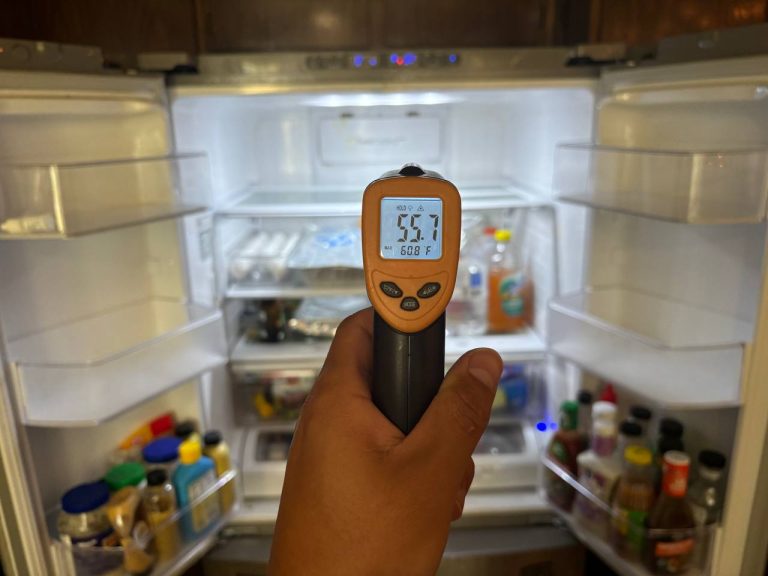
A step-by-step look at a real refrigerator not cooling repair, from the first symptom to the fix
When a refrigerator not cooling, most homeowners assume the worst: a dead compressor and a four-figure replacement. In this case, that was not what was happening. Here is the exact diagnostic process our certified technicians used to find the real problem, fix it in a single visit, and save the food already in the fridge.
Case Snapshot
Symptom
Fridge not cooling, freezer still working
Appliance
Side-by-side refrigerator
Location
Diagnosis
Faulty evaporator fan motor
Time to repair
Same visit
Outcome
Cooling restored, no food loss
The Problem
A Fridge That Wouldn’t Cool, But a Freezer That Would
If your refrigerator stops cooling, keep the door closed and check it with an appliance thermometer. The fridge should stay at 40°F or below, and FoodSafety.gov advises discarding refrigerated perishables after about 4 hours without cooling.
The Diagnostic Process
Five Checks, In Order
Our certified technicians follow the same sequence on every refrigerator not cooling call, because ruling things out in order prevents unnecessary part replacement.
Check the condenser coils
Dust and pet hair buildup on the coils is one of the most common reasons a refrigerator is not cooling properly, and it is also the cheapest to fix.
Checked clearTest the thermostat and temperature sensor
A faulty sensor can tell the system the fridge is already cold when it is not.
Tested normalCheck the compressor and start relay
Since the freezer was still cold, this pointed away from a compressor failure, but it was still tested to confirm.
Confirmed workingInspect the evaporator fan
This fan is what actually pushes cold air from the freezer’s evaporator coil into the refrigerator compartment. If the freezer is cold but the fridge is not, this fan is one of the first places to look.
Not running — root cause foundCheck for refrigerant leaks
With the fan identified as the likely cause, a leak was ruled out to confirm there was no secondary issue.
Ruled outThe Root Cause: A Failed Evaporator Fan Motor
Since this fan is responsible for circulating cold air from the freezer into the refrigerator compartment, a bad motor explains exactly what was happening: the freezer stayed cold because it sits right at the evaporator coil, but the fridge stopped cooling because no air was being pushed into it.
The Fix & The Result
Fixed in One Visit, Before Any Food Was Lost
Refrigerator warm, freezer fine, or both struggling? Our refrigerator repair service covers fans, sensors, coils, and sealed-system repairs for all major brands.
Beyond This Case
Common Causes of a Refrigerator Not Cooling
Not every case matches this one. Here are the most common reasons a refrigerator is not cooling, from easiest to most involved.
| Cause | How Common | DIY Fixable? |
|---|---|---|
| Dirty condenser coils | Very common | Yes, with basic cleaning. Clogged coils also keep the compressor running nonstop, as in our refrigerator running constantly repair |
| Faulty door seal or gasket | Common | Sometimes. See our refrigerator door seal repair |
| Evaporator fan not running | Common | No. A failing fan often gets noisy first, which we cover in loud refrigerator noises |
| Faulty thermostat or temperature sensor | Common | No. A faulty sensor can also leave a refrigerator freezing food |
| Compressor or start relay failure | Less common | No |
| Refrigerant leak | Less common | No |
Brand-Specific Notes
This Happens Across All Major Brands
Evaporator fan and sensor issues show up across all major brands we service, including Samsung, LG, Whirlpool, GE, and Sub-Zero. Our certified appliance technicians have experience diagnosing refrigerator not cooling issues across all these brands and more.
Prevention
Keep It From Happening Again
- Clean the condenser coils regularly, every 3 to 6 months if you have pets, following Whirlpool's coil cleaning guide. Unplug the refrigerator first
- Check door seals for gaps or wear
- Avoid overpacking the fridge, which blocks airflow
- Keep the fridge a few inches from the wall for ventilation
- Address unusual noises early, before a small issue becomes a bigger one
Before You Call
DIY vs. Calling a Professional
Reasonable to try yourself
Cleaning the coils and checking the door seal are reasonable first steps a homeowner can try before calling for refrigerator repair.
Call a certified technician
Evaporator fan, thermostat, compressor, and refrigerant issues all require diagnostic tools and technical experience to identify safely, which prevents guesswork and unnecessary part swaps.
Ice Maker Not Working?
Get It Diagnosed the Right Way, the First Time
Same-day and next-day appointments available across Chicago and the surrounding suburbs. $89 diagnostic fee, waived with repair. 10% off your first repair.
FAQ
Refrigerator Not Cooling: Common Questions
Answers to the questions we hear most on refrigerator not cooling calls in Chicago.
Why is my freezer cold but my refrigerator is not cooling?+
In many refrigerators, all the cold air is made in the freezer, and a fan pushes some of it into the fresh food section. If that evaporator fan stops, or frost blocks the air path between the two sections, the freezer stays cold while the fridge warms up. That's exactly what happened in this case. A faulty damper or temperature sensor can cause the same pattern.
How much food can I lose if my refrigerator is not cooling?+
It depends on how warm it gets and for how long. Keep the door closed and check the inside with an appliance thermometer. The refrigerator should stay at 40°F or below. FoodSafety.gov advises that a closed refrigerator keeps food safe for up to about 4 hours without cooling, and that refrigerated perishables should be thrown out after that. Moving perishables to a cooler with ice or into the working freezer can save them.
Is a refrigerator not cooling always a sign the compressor is dead?+
No. Compressor failure is one of the less common causes. Dirty condenser coils, a failed evaporator fan, a faulty thermostat or sensor, and worn door seals are all more common, and most are far less expensive to fix. If the freezer is still cold, as in this case, the compressor is usually working fine.
Can I fix a refrigerator that is not cooling myself?+
Some causes, yes. With the refrigerator unplugged, you can clean dust and pet hair off the condenser coils, check the door seals for gaps, and make sure food isn't blocking the vents inside. If cooling doesn't come back, the problem is likely a fan, sensor, thermostat, compressor, or refrigerant issue, and those need a technician with diagnostic tools.
How long does it take to repair a refrigerator that is not cooling?+
Many not-cooling repairs, like replacing an evaporator fan motor, can be done in a single visit when the part is on hand, as in this case. If a part needs to be ordered for your model, or the problem is in the sealed system, we'll return to finish once it arrives. We offer same-day and next-day appointments seven days a week, and you'll get a time estimate after the diagnosis.
What does it cost to diagnose a refrigerator not cooling?+
The diagnostic visit is $89, waived when you book the repair. Most repairs fall between $129 and $400. Your exact price depends on the issue, and we quote it before any work starts. First-time customers also get 10% off, and every repair is backed by a warranty.
How do I know if it is the condenser coils or the evaporator fan?+
Dirty coils usually make both the fridge and freezer struggle, and the refrigerator may run constantly with warm side or back panels. A failed evaporator fan typically leaves the freezer cold while the fridge warms up, and you may not feel any air coming from the vents inside. Cleaning the coils is an easy first step. If cooling doesn't improve, the fan is worth having checked.
Do all refrigerator brands have the same not-cooling causes?+
For the most part, yes. Evaporator fan failures, sensor problems, dirty coils, and worn seals show up across every major brand. Layouts differ between side-by-side, French door, and top-freezer models, which changes where parts sit and how a technician reaches them. We repair all major and luxury appliance brands.