
Washer Leaking Water? Here's What Was Really Wrong
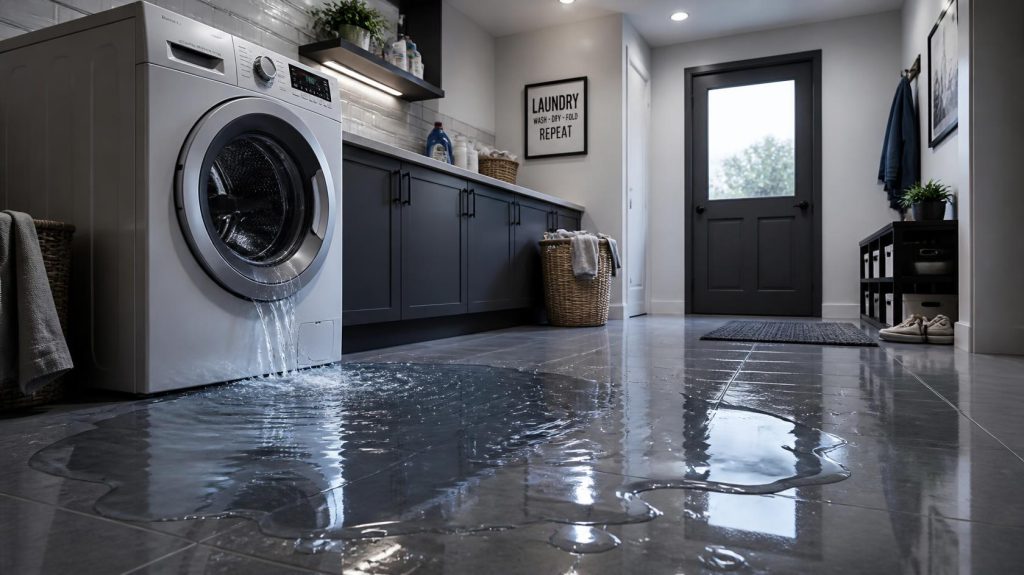
A step-by-step look at a real washer leak repair, from a puddle on the floor to the fix
A washer leak has three usual sources, and they don’t always show up one at a time. Here is the exact diagnostic process our certified technicians used to trace this leak to its real source, and why fixing the obvious cause wasn’t quite the full story.
Case Snapshot
Symptom
Water pooling near the front during cycles
Appliance
Front-Load Washer
Location
Highland Park, IL
Diagnosis
Object in door seal + loose pump hose clamp
Time to Repair
Same visit, under 1 hour
Outcome
Fully sealed, no more leaking
The Problem
A Highland Park homeowner called Dara Appliance Repair after noticing water pooling on the floor in front of her washer, mainly during the wash and rinse portions of the cycle rather than at the very start or end. It wasn't a dramatic flood, just a small but consistent puddle that kept showing up load after load.
She'd wiped down the door and gasket area but couldn't see anything obviously wrong, so she booked a diagnostic visit.
The Diagnostic Process
Confirmed when and where the leak appeared
Our technician ran a cycle and watched closely, confirming water was appearing at the front-bottom of the machine specifically during the wash and rinse stages, a useful clue pointing toward the door seal first.
Inspected the door seal folds closely
Running a hand carefully around the inside folds of the door seal, the technician found a small rigid object, a bra underwire, lodged in one of the folds, creating a small gap that let water seep out during agitation.
Removed the object and retested
With the object removed and the seal cleaned, a test cycle showed the leak had improved significantly, but a very slight amount of moisture was still appearing, meaning something else was likely contributing too.
Checked the inlet hose connections
Both the wall valve connection and the hose fittings at the back of the machine were tight and showed no signs of wear, ruling out the inlet hoses as a contributing factor.
Found a loose hose clamp near the drain pump
A closer look near the pump revealed a hose clamp that had loosened slightly over time, allowing a small amount of water to weep out during agitation and draining, the source of the remaining moisture.
The Root Cause
Two unrelated issues creating one confusing symptom: a small object trapped in the door seal, which accounted for most of the visible leaking, and a loosened hose clamp near the drain pump, contributing a much smaller, easy-to-miss amount separately. Removing the object alone would have looked like a fix at first, until a small leak kept quietly reappearing.
The Fix
With both causes confirmed, our technician completed the repair in a single visit:
- Removed the trapped object and thoroughly cleaned and inspected the door seal, confirming no tearing or lasting damage
- Tightened the loose hose clamp near the drain pump, replacing it since it had lost some of its grip strength
- Ran multiple full test cycles, checking closely around the door and the pump area for any sign of leaking
- Confirmed completely dry, leak-free operation before completing the visit
The Result
The washer now runs full cycles without any leaking at the door or near the pump, and the floor stays dry load after load. The $89 diagnostic fee was waived since the customer moved forward with the repair. As a first-time customer, she also received 10% off the total repair cost.
Common Causes of a Leaking Washer
| Cause | Signs | DIY-Fixable? |
|---|---|---|
| Object trapped in the door seal | Leak near the bottom of the door, most noticeable during wash or rinse | Sometimes, check the seal folds for coins, underwire, or small items |
| Torn or damaged door seal | Leak persists with nothing trapped, seal may look cracked or brittle | No, replacement required |
| Loose or damaged hose clamp near the pump | Leak most noticeable during agitation or draining | No, requires inspection and repair |
| Loose inlet hose connection | Leak most noticeable during the fill portion of the cycle | Sometimes, check and tighten the connections |
| Excess detergent or suds | Looks like overflow, mainly happens during the wash portion | Yes, reduce the amount of detergent used |
How to Prevent This
Check pockets and remove small rigid items before loading, especially anything that could get caught in the door seal
Wipe down and inspect the door seal folds periodically for debris or early signs of wear
Use the correct type and amount of detergent for your machine to avoid excess suds
Periodically check hose connections and clamps at the back of the machine for tightness
Address even a small, intermittent leak promptly, before it leads to water damage
DIY vs. Call a Professional
Safe to Try Yourself
- Checking the door seal folds for trapped objects or debris
- Double-checking the type and amount of detergent used
- Visually checking that inlet hose connections at the wall and machine are snug
Call a Professional
- A leak that continues after the door seal has been checked and cleaned
- Door seal or boot gasket replacement
- Pump or drain hose clamp repair
- Inlet valve or hose replacement
Frequently Asked Questions
Why is my washer leaking water from the front?
Could something stuck in the door seal really cause a leak?
Is it the door seal, the pump, or the hose, and how can I tell?
Could too much detergent cause a leak?
Is a small, intermittent leak something to worry about?
How much does this repair cost?
How long does this repair take?
How can I prevent this from happening again?
Washer Leaking Water?
Same-day washer repair across Chicago and the suburbs. $89 diagnostic fee, waived when you book the repair.
Book a Repair Call (773) 377-4212