
AC Turning On and Off Every Few Minutes? Here's What Was Really Wrong
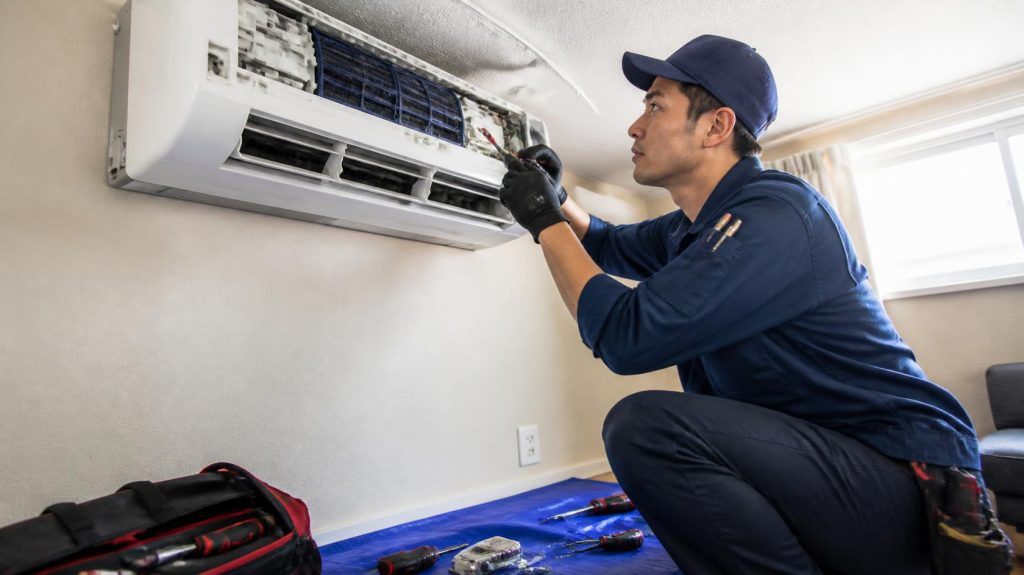
A step-by-step look at a real short cycling repair, from rapid on-off cycles to the fix
Short cycling has three usual suspects, the thermostat, the refrigerant charge, and the electrical components that actually engage the compressor. Here is the exact process our certified technicians used to rule out the first two and confirm the third.
Case Snapshot
Symptom
Turns on and off every few minutes
System
Central Air Conditioning
Location
Palatine, IL
Diagnosis
Worn contactor, thermostat & refrigerant fine
Time to Repair
Same visit, under 1 hour
Outcome
Normal run cycles restored
The Problem
A Palatine homeowner called Dara Appliance Repair because her central air conditioning had started turning on and off every couple of minutes instead of running a normal cycle. The house wasn't cooling well since the system barely had time to do anything before shutting off, and she'd noticed her energy bill creeping up despite the short runtimes.
She wondered if her thermostat was just glitching, but the pattern was consistent enough that something more specific seemed to be going on.
The Diagnostic Process
Timed the cycle pattern
Our technician confirmed the system was running for only about 2 to 3 minutes before shutting off and restarting shortly after, well short of the 15 to 20 minute runtime a healthy cycle should have.
Checked the thermostat
The technician confirmed the thermostat was properly placed away from heat sources and direct sun, tested its wiring connections, and confirmed it was calling for cooling correctly, ruling it out.
Checked the refrigerant charge
Gauge readings confirmed refrigerant was at a normal operating level, ruling out a coil-freeze-and-shutoff pattern as the explanation.
Inspected the contactor
The contactor, the electrical relay that engages the compressor, showed pitted, worn contact points, causing it to make and break the connection inconsistently instead of cleanly.
Tested the capacitor separately
Since a failing capacitor can produce similar symptoms, the technician tested it directly and confirmed it was within acceptable range, isolating the contactor as the sole cause.
The Root Cause
A worn, pitted contactor was making and breaking the compressor's electrical connection inconsistently instead of holding a clean, steady contact. That inconsistency was what caused the system to cycle rapidly rather than complete a normal run. The thermostat and refrigerant charge, two of the more commonly assumed culprits, were both confirmed completely healthy.
The Fix
With the contactor confirmed as the sole cause, our technician completed the repair in a single visit:
- Replaced the contactor with a manufacturer-spec part
- Left the thermostat and capacitor untouched, since both had already tested as fully functional
- Tested compressor engagement across multiple start and stop cycles to confirm clean, reliable contact every time
- Confirmed normal run-cycle length was restored across a full cooling cycle
The Result
The system now runs full, normal cooling cycles instead of shutting off every few minutes, and the house cools far more consistently as a result. The $89 diagnostic fee was waived since the customer moved forward with the repair, and the repair is backed by our standard 3-month warranty. As a first-time customer, she also received 10% off the total repair cost.
Common Causes of AC Short Cycling
| Cause | Signs | DIY-Fixable? |
|---|---|---|
| Worn or pitted contactor | Compressor engages and disengages inconsistently, system cycles rapidly | No, replacement required |
| Thermostat issue or poor placement | Erratic on/off calls, especially near a heat source or drafty spot | Sometimes, check placement, battery, and calibration |
| Low refrigerant causing coil freeze | System shuts off to protect itself once ice builds, cycles again once thawed | No, requires an EPA-certified leak repair and recharge |
| Oversized AC unit for the home | Cools the space too quickly and shuts off before completing a proper cycle | No, a sizing issue requiring professional evaluation |
| Dirty air filter or blocked airflow | Can trigger safety shutoffs that resemble short cycling | Yes, check and replace the filter |
Brand-Specific Notes
PLACEHOLDER, pending Ben's input. Reminder: for luxury or specialty HVAC brands, use "experience across [brand]" language only, never factory-certification claims.
How to Prevent This
Have thermostat placement and calibration checked if readings seem inconsistent
Schedule annual maintenance to catch early electrical component wear like a pitted contactor
Replace the air filter regularly to avoid airflow-related shutoffs
Address short cycling early, frequent starts put extra strain on the compressor over time
Have system sizing evaluated by a professional if short cycling has been present since installation
DIY vs. Call a Professional
Safe to Try Yourself
- Checking thermostat placement and battery
- Replacing the air filter
- Timing how long the system runs before shutting off, useful detail for a technician
Call a Professional
- Rapid on/off cycling that continues after checking the thermostat and filter
- Contactor replacement
- Capacitor testing or replacement
- Refrigerant leak diagnosis, or a system sizing evaluation
Frequently Asked Questions
What does it mean if my AC keeps turning on and off?
Could my thermostat be causing this?
Is short cycling bad for my AC system?
Could this be a refrigerant issue?
Could my AC unit just be too big for my house?
How much does this repair cost?
How long does this repair take?
How can I prevent this from happening again?
AC Short Cycling?
Same-day air conditioning repair across Chicago and the suburbs. $89 diagnostic fee, waived when you book the repair.
Book a Repair Call (773) 377-4212