
Excessive Frost Buildup in Your Freezer? Here's Exactly How We Diagnosed and Fixed One in Chicago
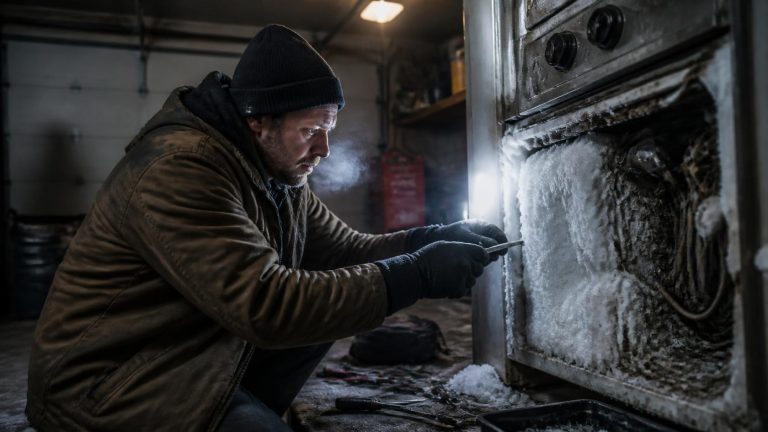
A step-by-step look at a real refrigerator repair, from a frost-packed freezer to normal operation
A little frost on the back wall of a freezer is normal. A thick layer building up fast enough to crowd out shelves or block the door is not, and it usually points to the defrost system rather than anything wrong with cooling itself. Here is the exact diagnostic process our certified technicians used to trace the buildup to its actual cause, fix it in a single visit, and get the defrost cycle running properly again.
Case Snapshot
The Problem
Frost That Kept Coming Back After Scraping
Frost had been steadily building up on the back interior wall of the freezer over about two weeks, thick enough that it was starting to interfere with airflow and crowd stored food. The homeowner had scraped it away once, only for it to return within days. Frost buildup can come from a few different places (a failed defrost heater not melting accumulated frost, a defrost timer not initiating cycles on schedule, a faulty defrost thermostat, a door seal letting in humid air, or a drain blockage causing melted frost to refreeze) so confirming which part of the defrost system had actually failed mattered more than just clearing the ice and hoping it wouldn’t return.
The Diagnostic Process
Five Checks, In Order
Our certified technicians follow the same sequence on every frost buildup call, because clearing the ice without identifying the failed component only buys a few days before it returns.
Inspect the door seal for gaps allowing humid air in
A compromised seal can accelerate frost buildup by letting warm, moist air into the freezer repeatedly.
Intact and sealing properly, ruled outConfirm the defrost timer is advancing and initiating cycles
The timer controls when the system switches into a defrost cycle.
Advancing and initiating cycles on scheduleMonitor the defrost heater during an active defrost cycle
During a defrost cycle, the heater should visibly warm and begin melting frost off the coil.
Did not warm up or activate when the cycle beganTest the defrost heater for continuity
A failed heater element will typically show no continuity.
No continuity, confirming an internal failureConfirm the defrost thermostat and drain path were functioning correctly
Checked to rule out additional contributing issues once the heater was identified as the primary fault.
Both confirmed working and clearThe Root Cause: A Failed Defrost Heater
The defrost heater had failed internally and was no longer producing heat during scheduled defrost cycles. The defrost timer was correctly initiating cycles on schedule, but with a failed heater, the frost that normally melts off the coil during each cycle was never actually cleared, allowing it to accumulate cycle after cycle until it became visible as a thick buildup inside the freezer compartment.
The Fix & The Result
Fixed by Replacing the Defrost Heater
The technician replaced the defrost heater, confirmed proper operation during a manually triggered defrost cycle, and monitored a full automatic cycle to verify frost was clearing as expected before completing the visit.
The freezer’s defrost cycle is now clearing frost as designed, and the buildup has not returned. This is the outcome we aim for on every frost buildup call: identify which specific part of the defrost system has failed, since scraping away the ice without fixing the underlying cause only buys a few days before it comes back.
Beyond This Case
Common Causes of Excessive Frost Buildup
Not every case matches this one. Here are the most common reasons frost builds up excessively, from easiest to most involved.
| Cause | How Common | DIY Fixable? |
|---|---|---|
| Door not sealing properly, letting in humid air | Very common | Sometimes, check for visible gaps or debris |
| Failed defrost heater | Common | No |
| Defrost timer not initiating cycles | Common | No |
| Faulty defrost thermostat | Common | No |
| Blocked or frozen defrost drain | Common | Sometimes, if accessible |
| Door left open or not closed fully, frequently | Common | Yes |
Brand-Specific Notes
This Happens Across All Major Brands
Defrost heater and timer failures show up across all major brands we service, including Samsung, LG, Whirlpool, GE, and Sub-Zero. Our certified appliance technicians have experience diagnosing frost buildup issues across all these brands and more.
Prevention
Stop Frost From Coming Back
- Confirm the freezer door is closing fully and sealing properly every time
- Avoid leaving the freezer door open longer than necessary when loading or unloading
- Address a door seal with visible gaps or wear before it leads to a bigger frost problem
- Don't just scrape away recurring frost, treat it as a sign the defrost system needs to be checked
- Keep the freezer from being overloaded in a way that blocks the back wall vent area
Before You Call
DIY vs. Calling a Professional
Reasonable to try yourself
Checking the door seal for obvious gaps and making sure the door is closing and latching fully are reasonable first steps a homeowner can try.
Call a certified technician
Diagnosing or replacing a defrost heater, timer, or thermostat requires accessing the freezer's rear panel and testing electrical components, which is where calling a certified technician avoids repeat buildup from an unresolved underlying cause.
FAQ
Excessive Frost Buildup: Common Questions
Answers to the questions we hear most on frost buildup calls in Chicago.
Is a little frost in my freezer normal, or always a sign of a problem?
Why does the frost keep coming back after I scrape it off?
How much does it cost to diagnose a frost buildup issue?
Can frost buildup damage my freezer if I don't fix it?
How often should a defrost cycle run?
Is a defrost heater replacement an expensive repair?
Can a bad door seal alone cause this much frost buildup?
Do all refrigerator brands have the same defrost system issues?
Excessive Frost Buildup?
Get It Diagnosed the Right Way, the First Time
Same-day and next-day appointments available across Chicago and the surrounding suburbs. $89 diagnostic fee, waived with repair. 10% off your first repair.