
Freezer Too Warm? Here's Exactly How We Diagnosed and Fixed One in Chicago
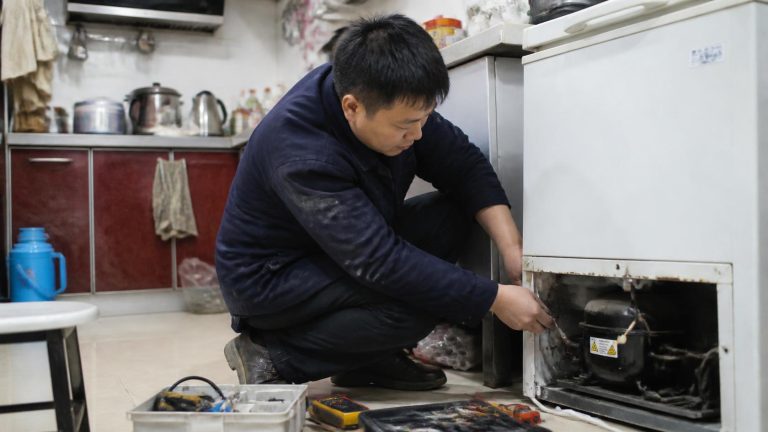
A step-by-step look at a real refrigerator repair, from a gradually warming freezer to reliable, proper temperature
A freezer too warm is easy to write off for weeks, since nothing is dramatically broken and the compressor still runs like normal. In this case, the slow, gradual nature of the problem was itself the biggest clue. Here is the exact diagnostic process our certified technicians used to trace a subtle warming trend to its actual cause, fix it in a single visit, and get the freezer back to holding proper temperature.
Case Snapshot
The Problem
A Slow, Gradual Warming Trend
The freezer had been running gradually warmer over the course of about three weeks, noticeable first as ice cream being slightly softer than usual, then as a broader sense that things weren’t quite as cold as they should be. The compressor was running normally and there was no unusual noise. Freezer warmth issues can come from a few different places (a door seal letting cold air escape, a failed or weak evaporator fan not circulating air properly, a refrigerant leak slowly reducing cooling capacity, or a thermostat not calling for enough cooling) so a gradual, worsening trend like this one needed to be traced carefully rather than assumed to be any one specific cause.
A freezer should hold 0°F or below, according to the FDA’s refrigerator thermometer guidance. An inexpensive appliance thermometer is the easiest way to tell whether yours is really running warm.
The Diagnostic Process
Five Checks, In Order
Our certified technicians follow the same sequence on every freezer too warm call, because a gradual, worsening trend often points somewhere different than a sudden failure would.
Inspect the door seal for gaps or wear
A compromised seal lets cold air escape and warm air in continuously.
Intact and sealing properly around its full perimeterConfirm the evaporator fan is running and circulating air normally
The fan was audible and confirmed to be moving air properly when checked directly.
Running and circulating normallyCheck the thermostat and temperature control settings
Confirmed the freezer was set correctly and the control hadn't been bumped or adjusted.
Settings correctMeasure system pressures with refrigeration gauges
With the door seal, fan, and thermostat all ruled out, system pressures were checked directly.
Readings below normal range, consistent with a refrigerant leakLocate the leak using a refrigerant leak detector
With low pressure confirmed, the specific leak point was traced to a small breach in a line.
Consistent with a slow, gradually worsening leakThe Root Cause: A Slow Refrigerant Leak
A slow refrigerant leak had been gradually reducing the system's refrigerant charge over several weeks, which explained the slow, worsening nature of the warming trend rather than a sudden temperature jump. As the charge dropped, the system's cooling capacity dropped along with it, even though the compressor, fan, and every other component were operating normally the entire time.
Left alone, a slow leak keeps draining cooling capacity until the freezer stops freezing altogether, the next stage we cover in our freezer not freezing guide.
The Fix & The Result
Fixed With a Leak Repair and Full Recharge
The technician repaired the leak point, evacuated the system, and recharged it to the manufacturer’s specified refrigerant charge, then monitored the freezer through a full cooling cycle to confirm pressures and temperature stabilized at normal operating levels before completing the visit.
The freezer returned to holding proper temperature, verified stable over a full cooling cycle rather than just an initial temperature drop. This is the outcome we aim for on every freezer too warm call: trace a gradual problem to its actual cause instead of guessing at the most common culprit, since a refrigerant leak needs a completely different repair than a door seal or fan issue.
Freezer not holding temperature? Our freezer repair service covers seals, fans, controls, and sealed-system repairs for all major brands.
Beyond This Case
Common Causes of a Freezer Too Warm
Not every case matches this one. Here are the most common reasons a freezer runs too warm, from easiest to most involved.
| Cause | How Common | DIY Fixable? |
|---|---|---|
| Door not sealing properly, letting cold air escape | Very common | Sometimes, check for visible gaps or debris. See our damaged freezer door seal repair |
| Freezer overloaded, blocking proper air circulation | Common | Yes |
| Weak or failing evaporator fan | Common | No. A failing fan often makes noise first, which we cover in freezer unusual noises |
| Thermostat or temperature control fault | Common | No |
| Refrigerant leak reducing cooling capacity | Less common | No |
| Condenser coils dirty or blocked, reducing efficiency | Common | Yes, coils can often be cleaned |
Brand-Specific Notes
This Happens Across All Major Brands
Refrigerant leaks and door seal issues show up across all major brands we service, including Samsung, LG, Whirlpool, GE, and Sub-Zero. Our certified appliance technicians have experience diagnosing freezer temperature issues across all these brands and more.
Prevention
Catch Gradual Warming Before It Gets Worse
- Check the door seal periodically for gaps, tears, or areas that no longer seal tightly
- Clean condenser coils periodically, since dirty coils reduce overall cooling efficiency
- Avoid overloading the freezer in a way that blocks air circulation
- Address a freezer that seems slightly warmer than usual early, rather than waiting for it to worsen
- Have refrigerant-related issues diagnosed by a certified technician, since handling refrigerant requires proper equipment and certification
Before You Call
DIY vs. Calling a Professional
Reasonable to Try Yourself
Checking the door seal for obvious gaps, avoiding overloading the freezer, and cleaning accessible condenser coils are reasonable first steps a homeowner can try.
Call a Certified Technician
Diagnosing or repairing a refrigerant leak takes specialized equipment and certification to handle refrigerant safely. Under EPA refrigerant sales rules, only certified technicians can buy refrigerant for this kind of equipment, so this part of the job belongs with a certified technician.
Freezer Running Too Warm?
Get It Diagnosed the Right Way, the First Time
Same-day and next-day appointments available across Chicago and the surrounding suburbs. $89 diagnostic fee, waived with repair. 10% off your first repair.
FAQ
Freezer Running Too Warm: Common Questions
Answers to the questions we hear most on freezer too warm calls in Chicago.
How do I know if my freezer is actually running warm, or if I'm just imagining it?+
Use an appliance thermometer. Place it in the middle of the freezer, leave the door closed for several hours or overnight, then check it. A freezer should hold 0°F or below. Softer ice cream, frozen foods that bend instead of snap, or ice cubes that stick together are common early signs that the temperature is creeping up.
Is a refrigerant leak dangerous to my health?+
A slow leak like this one usually releases a very small amount of refrigerant, and the main problem is lost cooling. Many newer models use a refrigerant that is flammable, though, so if you hear hissing or notice a chemical smell near the unit, keep open flames and sparks away, air out the room, and call a technician.
How much does it cost to diagnose a freezer running too warm?+
The diagnostic visit is $89, waived when you book the repair. Your technician will tell you what's causing the warming and quote the repair before any work starts, so you can decide with the full price in front of you. First-time customers also get 10% off, and every repair is backed by a warranty.
Why did the warming happen gradually instead of all at once?+
A slow refrigerant leak drains the system little by little. With each day, there's slightly less refrigerant to carry heat out of the freezer, so cooling capacity drops a bit at a time. A failed part like a dead fan or compressor usually causes a sudden change, while a gradual warming trend over weeks points more toward a slow leak.
Can I add refrigerant to my freezer myself?+
No. A household freezer is a sealed system, and refilling it means opening that system with gauges and specialized equipment. EPA rules also limit refrigerant purchases to certified technicians. Adding refrigerant without fixing the leak would only buy a short delay before the freezer warms up again.
Will a refrigerant leak happen again after it's repaired?+
A properly repaired leak shouldn't come back. That's why our technician checks pressures and temperature over a full cooling cycle before finishing, not just the first few minutes. On an older unit, a different point in the system can still wear out later, which is one reason to keep an eye on freezer temperature after any repair.
Is it worth repairing an older freezer with a refrigerant leak?+
It depends on the freezer's age, its overall condition, and the repair cost compared with a replacement. We quote the repair before any work starts, and if replacing the unit makes more sense for your situation, we'll tell you plainly rather than push a repair you don't need.
Do all refrigerator brands have the same refrigerant leak risk?+
Refrigerant leaks happen across every major brand, from everyday models to premium ones. Age, wear on the lines, and damage from moving or bumping the unit usually matter more than the brand name. We repair all major and luxury appliance brands, so the diagnosis and fix follow the same careful process either way.