
Stove Broken Control Knobs? Here's What Was Really Wrong
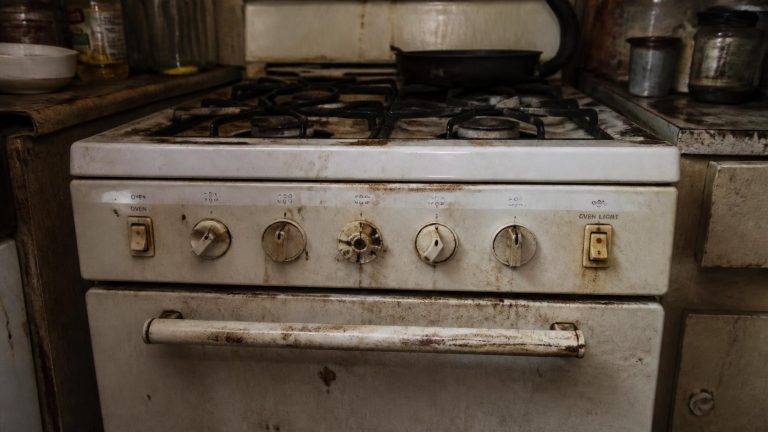
A step-by-step look at a real stove control knob repair, from a loose knob to the fix
A wobbly or spinning knob usually gets written off as a minor annoyance, but it can hide a second issue underneath. Here is the exact diagnostic process our certified technicians used to find both underlying causes and restore firm, reliable control the same day.
Case Snapshot
Symptom
Knob loose, ignition inconsistent
Appliance
Gas Range / Stove
Location
Diagnosis
Worn knob coupling + faulty ignition switch
Time to Repair
Same visit, under 1 hour
Outcome
Firm control, reliable ignition
The Problem
A homeowner in Park Ridge called Dara Appliance Repair about the front-left knob on her gas range. It had gotten progressively looser over a few months until it started spinning freely in spots, no longer turning the burner on and off with any real resistance. To make things more frustrating, even when she did manage to line it up correctly, the burner sometimes failed to spark and light on the first try.
She'd assumed it was one problem with two symptoms, and she was right, just not in the way she expected.
The Diagnostic Process
Confirmed the loose knob by hand
Our technician turned the knob and immediately felt it spin freely in certain spots, with no consistent resistance or clear detents the way a properly seated knob should have.
Removed the knob and inspected the coupling
The inside of the knob has a "D" shaped cutout that grips the flat side of the valve stem. Years of use had worn and rounded that cutout, so the knob could no longer grip the stem securely enough to turn it reliably.
Tested the valve stem itself
With the knob off, the technician turned the valve stem directly by hand and found it moved smoothly through its full range with normal resistance, ruling out the valve as a cause and confirming the knob itself was the mechanical problem.
Investigated the inconsistent ignition separately
Turning a gas range knob to light typically triggers a small ignition switch behind the control panel. The technician tested this switch and found it was failing to make contact reliably, an intermittent electrical fault unrelated to the worn knob. The same switch is often behind a stove igniter that keeps clicking.
Confirmed two separate, unrelated failures
The worn knob coupling explained the looseness and imprecise control, while the failing ignition switch explained the inconsistent spark, two different parts that happened to fail around the same time on the same burner.
The Root Cause
Two unrelated parts failing at the same burner position: a worn, rounded coupling inside the knob that could no longer grip the valve stem securely, and a separately failing ignition switch behind the control panel that wasn't reliably triggering a spark. Replacing only the knob would have fixed the looseness but left the ignition problem untouched, and vice versa.
The Fix
With both causes confirmed, our technician completed the repair in a single visit:
- Installed a new control knob matching the range's manufacturer specifications, restoring a secure, properly fitted grip on the valve stem
- Replaced the failing ignition switch behind the control panel
- Tested the full knob-to-spark-to-flame sequence through multiple cycles to confirm firm resistance, clear detents, and reliable ignition every time
Not sure whether it's the knob or something deeper? Our stove repair service covers knobs, switches, igniters, and valves on gas and electric ranges.
The Result
The knob now turns with firm, consistent resistance and clear detents at each setting, and the burner lights reliably on the first try every time. The $89 diagnostic fee was waived since the customer moved forward with the repair, and the repair is backed by our standard 3-month warranty. As a first-time customer, she also received 10% off the total repair cost.
Common Causes of Stove Broken Control Knobs
| Cause | Signs | DIY-Fixable? |
|---|---|---|
| Worn or stripped knob coupling | Knob spins loosely or feels imprecise turning to a setting | Usually, a manufacturer-matched replacement knob is a simple fix |
| Cracked or brittle knob plastic | Visible cracks, chips, or a knob that breaks off entirely | Yes, straightforward replacement |
| Faulty ignition switch behind the knob | Knob turns fine, but the burner doesn't spark consistently | No, requires professional replacement. The same fault often causes a stove burner not lighting |
| Heat-warped or melted knob | Knob sticks, sits unevenly, or shows discoloration | Sometimes, replace the knob and inspect the valve underneath |
| Worn valve stem itself | Even a new, correctly fitted knob still feels loose | No, requires valve inspection. A worn valve can also lead to a burner that won't turn off |
How to Prevent This
Avoid forcing a stiff knob, ease it back and forth instead of pushing through resistance
Keep knobs and the detent area behind them clean and free of grease buildup
Replace a cracked, faded, or wobbly knob promptly, before it fails completely
Use manufacturer-matched replacement knobs rather than generic universal ones, which often fit the valve stem imprecisely
Have ignition checked if it becomes inconsistent alongside a loose knob, and check the CPSC recall database for your range's model, since several brands have issued recalls over knobs that turn on too easily
DIY vs. Call a Professional
Safe to Try Yourself
- Replacing a cracked or worn knob with a manufacturer-matched part
- Cleaning grease and debris from around the knob and detent area
- Checking that a new knob is fully seated on the valve stem
Call a Professional
- A knob keeps slipping even after replacement, suggesting the valve stem itself is worn
- The burner doesn't spark consistently even though the knob turns properly
- Any gas smell from your stove, no matter how faint. Leave the home first and call your gas utility from outside (Peoples Gas emergency guidance for Chicago), then call us once it's safe.
- Ignition switch testing or replacement
Stove Knob Loose or Broken?
Same-day stove repair across Chicago and the suburbs. $89 diagnostic fee, waived when you book the repair.
Book a Repair Call (773) 377-4212Stove Knob Questions
Stove Control Knob Repair FAQs
Why does my stove knob feel loose or spin freely?+
Most loose knobs come down to a worn coupling. The inside of the knob has a D-shaped cutout that grips the flat side of the valve stem, and years of use can round it off until the knob slips. Less often, the valve stem itself is worn, which is why a new knob that still feels loose needs a closer look.
Can I just replace the knob myself?+
Often, yes. With every burner off, pull the old knob straight off the stem and press on a replacement that matches your range's model number, making sure it seats fully on the flat side of the stem. If the new knob still slips, the burner won't spark reliably, or you smell gas at any point, stop and call a technician.
Why does my burner sometimes not light even though the knob turns fine?+
The knob and the spark are handled by separate parts. On most gas ranges, turning the knob to light presses a small ignition switch behind the control panel. If that switch stops making reliable contact, the burner won't spark consistently even when the knob turns perfectly. A wet or dirty igniter or a misaligned burner cap can cause the same symptom.
Are universal replacement knobs a good idea?+
They can work as a short-term fix, but we don't recommend them for the long run. Generic knobs often fit the valve stem loosely, so you end up with the same slipping you were trying to fix, and the printed settings may not line up with your burner's actual positions. A knob matched to your range's model number is the safer choice.
Is a loose knob a safety issue?+
It can be. A knob that slips makes it harder to tell whether a burner is fully off, and a burner that doesn't light on the first try lets gas flow for a few seconds before it ignites. If you ever smell gas, turn the burners off, don't flip switches or light anything, leave the home, and call your gas utility or 911 from outside.
How much does a knob or switch repair cost?+
Our visit starts with an $89 diagnostic fee, waived when you book the repair. Most repairs fall between $129 and $400. Your exact price depends on the issue, and we quote it before any work starts. First-time customers also get 10% off, and every repair is backed by a warranty.
How long does this repair take?+
It depends on what's wrong and whether the part is on hand. A knob swap is quick. An ignition switch replacement takes longer because the technician works behind the control panel and then tests the full knob, spark, and flame sequence. We offer same-day and next-day appointments seven days a week, and you'll get a time estimate after the diagnosis.
How can I prevent this from happening again?+
Turn knobs gently and ease a stiff one back and forth instead of forcing it. Wipe grease from around the knobs regularly, spraying cleaner onto a cloth rather than at the control panel so liquid doesn't seep into the switches. Replace cracked or wobbly knobs early, and if ignition becomes inconsistent, have it checked instead of assuming it's the knob.