
Furnace Squealing When It Starts Up? Here's What Was Really Wrong
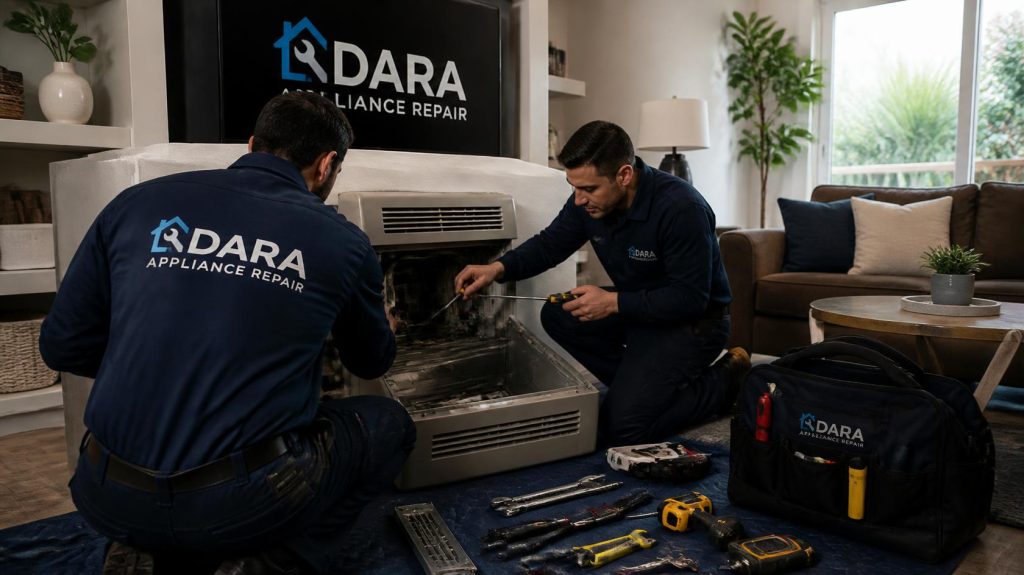
A step-by-step look at a real furnace noise repair, from a squealing blower to the fix
Squealing, grinding, and rattling are three different noises with three different causes.
In this case, the furnace let out a loud squeal every time it started up, and it had been getting noticeably worse over a week or two. The timing was the first clue: the squeal came only when the blower kicked in, not during ignition or while the burner was running.
Here is the exact diagnostic process our certified technicians used to identify which noise this furnace had, rule out the other two along the way, and fix it in a single visit as part of our heating system repair service.
Case Snapshot
Symptom
Squealing noise during blower operation
System
Gas Furnace
Location
Downers Grove, IL
Diagnosis
Worn, cracked blower belt, motor & fan fine
Time to Repair
Same visit, under 1 hour
Outcome
Quiet, smooth blower operation
The Problem
A Downers Grove homeowner called Dara Appliance Repair about a loud squealing noise coming from the furnace every time it started up. It happened specifically when the blower kicked in, not during ignition or while the burner was running, and it had gotten noticeably worse over the past week or two.
She wasn't sure if it was something simple or a sign of a bigger mechanical problem, and wanted it checked before it got any louder.
Getting louder was the right reason to call. A noise that changes over time usually means a part is wearing, and catching it early often keeps the repair small. One rule of thumb: if a furnace noise ever comes with a burning smell or a scorched, electrical odor, turn the system off and have it checked before running it again.
The Diagnostic Process
Confirmed the noise was specific to the blower
Our technician ran the system and confirmed the squealing appeared exactly when the blower engaged, and not during ignition or burner operation, narrowing the search to the blower assembly.
Inspected the blower belt
The belt showed visible glazing and slight looseness, both classic signs of a belt slipping against its pulley, which produces exactly this kind of squealing sound.
Found cracking beyond simple wear
A closer look showed visible cracking in the belt material, meaning it was closer to failure than a routine tension adjustment could fix.
Checked the blower motor bearing
With the belt loosened, the technician spun the motor shaft by hand and found smooth, even rotation with no grinding or rough spots, ruling out the motor bearing.
Checked the blower fan wheel
The fan wheel was clean, properly balanced, and showed no signs of clipping or rattling against the housing, ruling that out as well and confirming the belt as the sole cause.
The Root Cause
A worn, cracked blower belt slipping against its pulley every time the blower engaged, producing the squealing sound the homeowner had noticed. The motor bearing and fan wheel were both confirmed to be in good working order, meaning this stayed a straightforward, contained repair rather than a bigger mechanical issue.
The squeal was loudest at startup for a reason. That's when the motor works hardest to get the blower wheel turning, so a glazed, loose belt slips the most in those first few seconds. As the belt kept wearing, it slipped more, which is why the noise got louder over a week or two.
Left alone, a cracked belt eventually breaks. When it does, the blower stops moving air, so the furnace can't push warm air through the house, and without that airflow it can overheat and trip its limit switch. Replacing the belt while it was still squealing kept a simple repair from turning into a no-heat call.
The Fix
With the belt confirmed as the sole cause, our technician completed the repair in a single visit, in under an hour:
- Installed a new blower belt matching the furnace's manufacturer specifications
- Adjusted belt tension to the correct specification
- Left the motor and fan wheel in place, since both had already tested as fully functional
- Ran the blower through multiple start cycles to confirm quiet, smooth operation with no slipping
Getting the tension right mattered as much as the new belt. A belt that's too loose slips and squeals again, and one that's too tight puts extra strain on the motor and its bearing. Testing several starts confirmed the fix where the problem had shown up: the moment the blower kicks in.
Leaving the motor and fan wheel in place also kept the repair focused. Because both had already tested as fully functional, there was no reason to replace parts that weren't causing the problem.
As with every heating system repair we handle, the price was quoted before any work started. Every repair is backed by a warranty, and coverage terms depend on your appliance brand.
The Result
The furnace now starts and runs the blower quietly with no squealing at any point in the cycle. Because she moved forward with the repair, the diagnostic fee was waived, and as a first-time customer, she also received 10% off the total repair cost.
Because the motor and fan wheel both tested fine, this stayed a single-part repair, and calling while the noise was still just a squeal is what kept it that way.
If a new noise ever starts, note what it sounds like (squealing, grinding, or rattling) and exactly when it happens: at startup, all the time, or only when the blower runs. Those two details help a technician narrow down the cause quickly, just as the timing of this squeal did.
Common Causes of Unusual Heater Noises
The type of noise is one of the best clues to its cause. Squealing, grinding, and rattling usually point to different parts, as the table below shows. If the noise comes from your air conditioner in summer instead, see our AC strange noises case study. Before checking for loose panels or debris yourself, turn off the furnace's power switch first.
| Cause | Signs | DIY-Fixable? |
|---|---|---|
| Worn or cracked blower belt | Squealing or screeching noise, especially at blower startup | No, but often a straightforward, affordable repair |
| Failing blower motor bearing | Grinding or rumbling noise from the blower compartment | No, replacement required |
| Bent or loose fan blade or wheel | Rattling or clanking tied to blower rotation | No, replacement required, sometimes rebalancing needed |
| Loose panels or ductwork | Rattling or buzzing tied to vibration, not the blower itself | Sometimes, check and tighten visible panels |
| Debris or an object in the blower compartment | Rattling that may stop once the object is found and removed | Sometimes, check for obvious obstructions |
How to Prevent This
Most blower noises start small, so a few simple habits help you catch them before a minor repair becomes a bigger one.
- ✓ Have your furnace professionally inspected each year, including belt inspection and tension checks
- ✓ Address a new noise early, before a worn belt fully fails or damages other components
- ✓ Keep the area around the furnace clear of stray objects that could enter the blower compartment
- ✓ Avoid continuing to run the system if a noise suggests a bigger mechanical issue
- ✓ Have blower components inspected as part of routine heating season prep
- ✓ Turn off the furnace's power switch before opening any panel to look for loose parts or debris
DIY vs. Call a Professional
Safe to Try Yourself
- Checking for and removing any obvious debris or obstructions near the blower, with the furnace's power switch turned off first
- Checking that furnace panels are secure
- Noting when the noise happens, at startup versus constant, and during which operation stage
Call a Professional
- A squealing, grinding, or rattling noise with no obvious cause
- Blower belt replacement
- Motor bearing testing or replacement
- Fan blade or wheel replacement or rebalancing
Noise still there after checking for debris and loose panels? Book online and we'll find the source and quote the price before any work starts. Have a question first? Send us a message.
Furnace Making Unusual Noises?
Same-day heating repair across Chicago and the suburbs. $89 diagnostic fee, waived when you book the repair.
Book a Repair Call (773) 377-4212Frequently Asked Questions
Why does my furnace squeal when it starts up?
On a furnace with a belt-driven blower, a startup squeal usually means the belt is slipping on its pulley. The motor works hardest in the first few seconds, so a worn, glazed, or loose belt slips most then. A squeal can also come from a dry or failing motor bearing, which is why a technician checks the belt, motor, and fan wheel separately. In this case, the belt was the only cause.
Is a squealing belt dangerous to keep running?
It's usually not an immediate danger, but it shouldn't be ignored. A slipping belt keeps wearing until it cracks or breaks, and when it breaks, the blower stops moving warm air through the house. If the squeal comes with a burning smell or a scorched, electrical odor, turn the furnace off and have it checked before running it again.
How can I tell if it's the belt, the motor, or the fan blade?
The type of sound is a good first clue. Squealing usually points to the belt, grinding or rumbling to a failing motor bearing, and rattling or clanking to a loose or bent fan wheel. Timing helps too: note whether it happens at startup, all the time, or only when the blower runs. Confirming the cause takes testing each part, which is what our technician did here.
Do all furnaces have a belt-driven blower?
No. Many newer furnaces use a direct-drive blower, where the fan wheel is mounted right on the motor shaft with no belt at all. Belt-driven blowers are more common on older furnaces. If your furnace has no belt and still squeals, the motor or its bearing is the more likely cause.
Could something be stuck in the blower compartment?
It's possible, especially if the noise is a rattle or clank rather than a squeal. A stray object or debris can get drawn into the blower area and knock against the fan wheel or housing. Turn off the furnace's power switch before opening any panel to look. If you don't see anything obvious, or the noise continues, have a technician check it.
How much does this repair cost?
It depends on which part is causing the noise and whether it needs replacing. Most of our repairs fall between $129 and $400. Your exact price depends on the issue, and we quote it before any work starts. First-time customers also get 10% off their first repair.
How long does this repair take?
In this case, the belt replacement was finished in the same visit, in under an hour, including tension adjustment and test starts. Timing depends on the cause. If a part like a motor or fan wheel has to be ordered, we'll explain the timing when we quote the repair.
How can I prevent this from happening again?
Have your furnace professionally inspected each year, including the belt and its tension if your furnace has one. Keep the area around the furnace clear of stray objects, and have any new noise checked early, before a worn part fails completely or damages other components.