
Furnace Smells Like Burning? Here's What Was Really Wrong
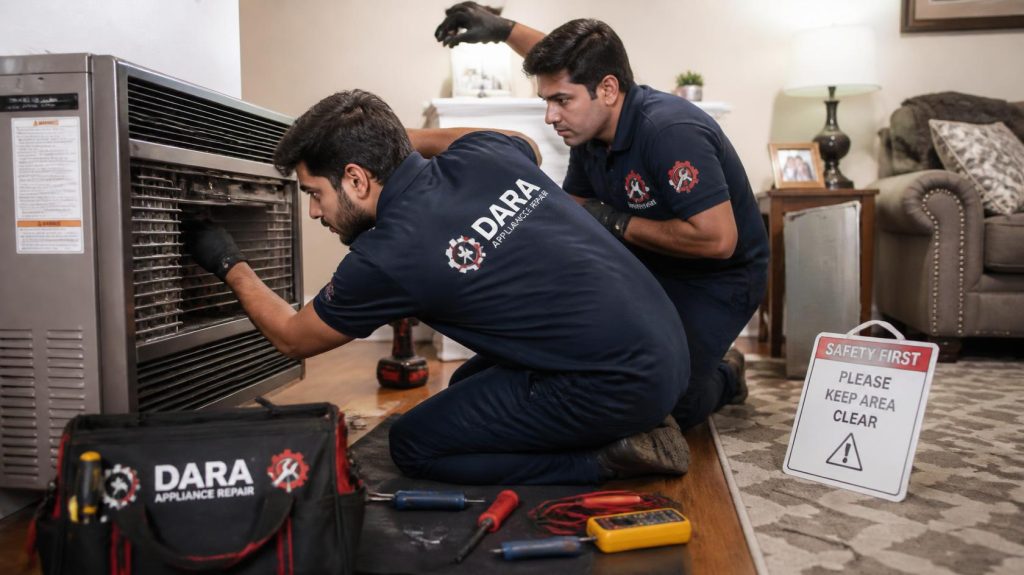
A step-by-step look at a real burning smell repair, from a suspicious startup odor to the fix
A brief burning smell at the season’s first startup is usually just dust, but one that lingers or gets stronger is a different story.
In this case, the smell didn’t fade after the first run. It came back through several heating cycles over a couple of days and seemed to grow slightly stronger each time, a pattern ordinary dust doesn’t follow. That’s exactly when it’s worth turning the system off and having it checked instead of waiting it out.
Here is the exact diagnostic process our certified technicians used to tell the two apart, trace the smell to its real source, and fix it in a single visit as part of our heating system repair service.
Case Snapshot
Symptom
Burning smell that persisted, not just at startup
System
Gas Furnace
Location
Westmont, IL
Diagnosis
Arcing connection at the blower motor
Time to Repair
Same visit, under 1 hour
Outcome
No odor, safe and reliable operation
A Westmont homeowner called Dara Appliance Repair after noticing a burning smell when her furnace started up for the first time this heating season. She'd read that a brief dust smell at first startup is normal, but this one had lasted through several heating cycles over a couple of days and seemed to be getting slightly stronger rather than fading, which didn't match what she'd expected.
She was right to trust that instinct. Dust burns off and fades. A smell that keeps coming back and grows stronger usually means something is heating up that shouldn't be, such as a loose wire connection, an overworked motor, or debris near the burner. Those are the causes worth ruling out before the furnace runs through a full season.
A quick safety note: a brief, faint burning smell during a furnace's first startup of the season is common and usually just dust burning off the heat exchanger. It should fade after the first run or two. A smell that lingers past that, gets stronger, or has a scorched or "electrical" character rather than a dusty one is different and worth turning the system off and calling a professional for, rather than waiting it out.
Smell rotten eggs instead? That's natural gas, not dust. Leave the home right away and call your gas utility or 911 once you're outside. Nicor Gas serves most of the suburbs, and Peoples Gas serves Chicago. Don't flip light switches or try to find the leak yourself.
A dust smell and an electrical smell can overlap at startup, so our certified technicians don't assume. The first job is to rule out the harmless explanation, then follow the odor to where it's strongest.
Confirmed the smell didn't match typical dust burn-off
Our technician noted the smell had persisted across multiple cycles over a couple of days rather than fading after the first run, already a departure from the usual seasonal dust pattern.
Checked dust buildup around the heat exchanger
A normal amount of seasonal dust was present, contributing some smell as expected, but not enough on its own to explain a smell that was persisting and slightly strengthening.
Inspected the blower motor
The motor housing felt warmer than normal to the touch, and the technician noticed the odor was more concentrated near the motor and its wiring connections than around the heat exchanger generally.
Found a loose, arcing electrical connection
A closer look at the motor's wiring connections revealed one had come loose and was arcing slightly, generating localized heat and a scorched smell distinct from ordinary dust.
Checked for further wiring or component damage
The technician inspected nearby wiring and the capacitor for any heat damage beyond the single connection point and found none, confirming the issue had been caught early.
Step 5 mattered as much as finding the loose connection. Heat from arcing can damage nearby wiring and parts like the capacitor, which helps the blower motor start and run. Confirming the damage hadn't spread is what made a quick, single-visit repair possible.
The Root Cause
A loose electrical connection at the blower motor had been arcing slightly, generating localized heat and a scorched smell that was separate from, and more concerning than, the normal seasonal dust the homeowner had first suspected. Ordinary dust did contribute a small amount of smell at startup as expected, but the smell that kept persisting and strengthening over several cycles was specifically coming from the arcing connection.
Connections like this rarely fail all at once. A blower motor vibrates every time it runs, and its wiring warms up and cools down through every heating cycle. Over months or years, that movement can work a connection loose. Once there's a gap, electricity jumps across it, and that arcing creates heat right at the connection.
That's why this kind of smell deserves attention. Arcing heat is concentrated in one small spot, and if it continues, it can damage wire insulation and nearby parts. Here it was caught early: the damage hadn't spread past the single connection point, which kept the repair quick and simple.
The Fix
With the source confirmed, our technician completed the repair in a single visit, in under an hour:
- Repaired and properly secured the loose connection at the blower motor
- Verified the motor ran at a normal temperature during operation
- Confirmed no further wiring or component damage was present nearby
- Ran extended monitored cycles to confirm no further odor or arcing
Those extended test cycles mattered most. A loose connection can look fine with the furnace off and only arc once the motor is running, so the technician watched the system run through full heating cycles before leaving.
As with every heating system repair we handle, the price was quoted before any work started. Every repair is backed by a warranty, and coverage terms depend on your appliance brand.
The Result
The furnace now starts and runs through full cycles with no burning smell of any kind. Because she moved forward with the repair, the diagnostic fee was waived, and as a first-time customer, she also received 10% off the total repair cost.
If a burning smell ever comes back, or a new one shows up later in the season, treat it the same way: turn the system off and have it checked rather than waiting it out. Catching this connection early is what kept the repair quick and simple.
A furnace repair is also a good reminder to check your carbon monoxide alarms. The CPSC recommends a professional inspection of fuel-burning heating systems every year and at least one CO alarm in every home, since carbon monoxide has no color or smell.
Common Causes of a Burning Smell From a Heater
Not every burning smell from a heating system means the same thing. Here are the most common causes we see, from harmless to urgent. If the smell only shows up when the air conditioning runs, see our AC bad odors case study. If it seems to come from the laundry room instead, our dryer burning smell case study covers that.
| Cause | Signs | DIY-Fixable? |
|---|---|---|
| Normal seasonal dust burn-off | Brief smell at the first startup of the season, fades after the first run or two | No action needed, but should not persist beyond the first startup |
| Arcing or loose electrical connection | A scorched, "hot electronics" smell that persists or strengthens, often localized near the blower or control panel | No, requires professional inspection immediately |
| Overheating blower motor | A hot, burning smell paired with the motor running hotter than normal to the touch | No, requires professional inspection |
| Debris caught near the burner or heat exchanger | A burning smell that may include visible smoke or an odor beyond typical dust | No, requires professional inspection |
| Residue on a recently serviced part | A brief burning smell shortly after recent repair work, should fade quickly | No action needed if brief and recently serviced, otherwise call |
How to Prevent This
Most burning smells can't be predicted, but a few habits make them less likely and help you catch a real problem early.
- ✓ Expect a brief dust smell at the first startup each season, but treat anything beyond that as worth checking
- ✓ Have your furnace professionally inspected before each heating season to reduce startup dust and catch wiring issues early
- ✓ Replace or clean the furnace filter on schedule, since a clogged filter makes the blower work harder
- ✓ Turn the system off and call a professional if a burning smell persists past the first cycle or seems to be getting stronger
- ✓ Never ignore a scorched or "electrical" smell. It's a different signal than ordinary dust
- ✓ Keep the area around the furnace clear of boxes, laundry, and anything else that can burn
DIY vs. Call a Professional
Some of this you can safely handle yourself. Anything involving wiring, motors, or a smell that keeps coming back needs a technician.
Safe to Try Yourself
- Recognizing a normal, brief startup dust smell versus one that persists
- Turning the system off if a smell persists past the first cycle or seems to be getting stronger
- Noting exactly where the smell seems strongest, useful detail for a technician
- Checking the furnace filter and replacing it if it's dirty
Call a Professional
- Any burning smell that persists beyond the first startup cycle
- A scorched or electrical smell, rather than a dusty one
- Wiring or connection inspection and repair
- Blower motor temperature and function testing
- Any rotten-egg smell, after you've left the home and called your gas utility or 911
Noticed a smell that won't go away? Book online and we'll find the source and quote the price before any work starts. Have a question first? Send us a message.
Furnace Smells Like Burning?
Same-day heating repair across Chicago and the suburbs. $89 diagnostic fee, waived when you book the repair.
Book a Repair Call (773) 377-4212Frequently Asked Questions
Is it normal for my furnace to smell like burning when I first turn it on for the season?
Often, yes. Dust settles on the furnace over the off-season and burns off when it first runs, so a brief, faint, dusty smell at the first startup is common. It should fade after the first run or two. A smell that keeps coming back, gets stronger, or smells scorched rather than dusty is not normal and is worth having checked.
How long should the dust smell last?
It should fade after the first run or two of the season. If you still notice it after several heating cycles, or it seems to be getting stronger, it's no longer just dust. Turn the system off and have it inspected.
What does an electrical burning smell mean versus a dust smell?
A dust smell is dry and faint, and it fades quickly. An electrical smell is sharper, more like hot plastic or scorched wiring, and it tends to linger or get stronger, sometimes most noticeably near the blower or control panel. In this case, it came from a loose connection arcing at the blower motor. A rotten-egg smell is different again: that's natural gas, so leave the home and call your gas utility or 911 from outside.
Should I turn off my furnace if I smell burning?
If the smell lasts past the first run, gets stronger, or smells scorched or electrical, yes. Turn the furnace off at the thermostat and call a technician rather than waiting it out. If you see smoke, leave and call 911. If it smells like rotten eggs, leave the home, don't flip light switches, and call your gas utility or 911 once you're outside.
Is this a fire risk?
It can be. Arcing creates concentrated heat at a connection, and if it continues, it can damage wire insulation and nearby parts. That's why a scorched smell that persists shouldn't be ignored. A brief dust smell at the first startup isn't a cause for concern on its own. To stay safe, keep anything that can burn away from the furnace and make sure your smoke and carbon monoxide alarms work.
How much does this repair cost?
It depends on the cause and whether any parts need replacing. Most of our repairs fall between $129 and $400. Your exact price depends on the issue, and we quote it before any work starts. First-time customers also get 10% off their first repair.
How long does this repair take?
In this case, the repair was finished in the same visit, in under an hour, including extended test cycles to confirm the smell was gone. Timing depends on the cause. If a part like a blower motor or capacitor needs replacing and has to be ordered, we'll explain the timing when we quote the repair.
How can I prevent this from happening again?
Have your furnace professionally inspected before each heating season, replace or clean the filter on schedule, and keep the area around the furnace clear of anything that can burn. Turn the system off whenever a smell persists or gets stronger. It's also worth keeping working carbon monoxide alarms; the CPSC recommends at least one in every home.