
Heating Bills Climbing Even Though the Furnace Works Fine? Here's What Was Really Wrong
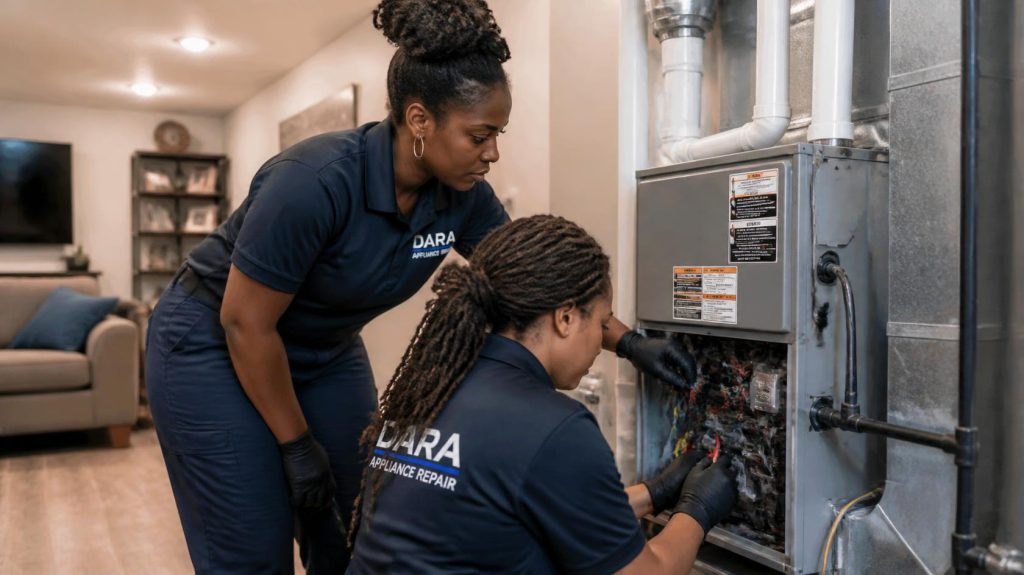
A step-by-step look at a real efficiency repair, from a spiking utility bill to the fix
A gas furnace that still heats the house fine but costs more every month usually has more than one small inefficiency working against it, on both the electric and gas side.
In this Lombard home, both the gas and electric bills had climbed compared with the same month the previous winter. The house still reached the set temperature without any comfort complaints, but the furnace seemed to be running a little longer each cycle. With nothing obviously broken, it would have been easy to blame the weather.
Here is the exact diagnostic process our certified technicians used to find all of them and fix them in a single visit as part of our heating system repair service.
Case Snapshot
Symptom
Rising bills, heat output still fine
System
Gas Furnace
Location
Lombard, IL
Diagnosis
Dirty filter + weak capacitor + dirty burners
Time to Repair
Same visit, under 1.5 hours
Outcome
Shorter run times, lower energy use
The Problem
A Lombard homeowner called Dara Appliance Repair after noticing both her gas and electric bills had climbed compared to the same month the previous winter. The furnace itself seemed fine, the house reached and held the set temperature without any comfort complaints, but it appeared to be running longer each cycle than it used to.
With nothing obviously broken, she wanted a technician to actually check rather than just assume it was normal seasonal variation.
She was right to check. When a furnace runs longer each cycle, both sides of the bill go up together: the burners use more gas, and the blower motor uses more electricity moving air for longer. Longer run times are the opposite of short cycling, where a furnace turns on and off every few minutes, and they usually point to something slowing the system down rather than something broken.
The Diagnostic Process
Because nothing was broken, the technician checked each part that affects efficiency one at a time, retesting after every fix to see what actually changed.
Checked the air filter
Our technician found the filter moderately dirty, enough to measurably affect airflow. Replacing it helped slightly, but runtime was still longer than it should have been.
Tested the blower motor capacitor
The capacitor, which helps the blower motor start and run efficiently, tested below its rated capacitance. A weakened capacitor makes the motor work harder to maintain the same airflow, drawing more electricity without necessarily failing outright or making noise.
Confirmed the capacitor's effect with a temporary swap
Testing with a temporary replacement capacitor showed the motor running noticeably more efficiently, confirming it as a real contributing factor rather than a borderline reading.
Checked burner flame quality
The burner flame showed a yellow tinge at the edges instead of a clean blue, a sign of incomplete combustion, usually caused by dust and debris buildup on the burner assembly reducing how efficiently the gas actually burns.
Cleaned the burners and re-checked flame quality
After cleaning, the flame burned a consistent, clean blue, confirming the buildup had genuinely been reducing combustion efficiency and gas usage for the same amount of heat.
A yellow flame is also a safety signal. Incomplete combustion can produce extra carbon monoxide, so a furnace flame that burns yellow or orange instead of blue should be checked by a professional, not just watched. The CPSC recommends a yearly professional inspection and at least one CO alarm in every home. To see how a technician tests for carbon monoxide when a safety issue is suspected, see our furnace leaking water case study.
The Root Cause
Three small inefficiencies working against each other on both sides of the utility bill: a moderately dirty filter restricting airflow, a weakened blower motor capacitor forcing the motor to draw more electricity to maintain that airflow, and dust buildup on the burners causing incomplete combustion that wasted gas without producing extra heat. None of these were severe enough to affect comfort on their own, which is exactly why they had gone unnoticed, but together they explained both the rising electric bill and the rising gas bill.
The three issues made each other worse. The dirty filter meant the blower had to push harder to move the same air, and the weak capacitor meant the motor was already struggling to do that. Meanwhile, the dusty burners were turning less of the gas into usable heat, so the furnace had to run longer to warm the house, which kept the blower running longer too.
That's why fixing just one wouldn't have been enough. A new filter helped only slightly on its own. Small issues like these tend to build up quietly over the seasons, and catching all of them in one visit is what made the drop in run times noticeable.
The Fix
With all three factors confirmed, our technician addressed each one in a single visit, in under an hour and a half:
- Replaced the air filter
- Replaced the weakened blower motor capacitor with a manufacturer-spec part
- Thoroughly cleaned the burner assembly to restore proper combustion
- Measured blower amp draw and confirmed a clean blue flame before and after to demonstrate a real efficiency improvement
That last step is what turned a guess into proof. The amp draw reading shows how much electricity the blower motor is using, and comparing it before and after the repair shows whether the motor is actually working less hard. The flame check does the same for the gas side. Together, they confirm the repair addressed both bills, not just one.
As with every heating system repair we handle, the price was quoted before any work started. Every repair is backed by a warranty, and coverage terms depend on your appliance brand.
The Result
The furnace now reaches the set temperature with noticeably shorter run times and a cleaner-burning flame, meaning less electricity and less gas used to deliver the same amount of heat. Because she moved forward with the repair, the diagnostic fee was waived, and as a first-time customer, she also received 10% off the total repair cost.
The best way to see the difference is to compare future bills with the same month the year before, just as she did when she first noticed the increase. Weather changes from year to year, so a single bill won't tell the whole story, but a steady pattern over the winter will.
If your own bills start creeping up again, it's worth checking early. Small inefficiencies are cheaper to fix before they add up, and a filter change is a simple place to start.
Common Causes of Rising Heating Bills
Rising heating bills rarely come from one big failure. More often, a few small issues add up. Here are the most common causes we find. If your bills climb in summer instead, see our AC high energy bills case study.
| Cause | Signs | DIY-Fixable? |
|---|---|---|
| Dirty air filter | Restricted airflow, longer runtimes to reach the same temperature | Yes, check and replace regularly |
| Weakened blower motor capacitor | Motor works harder and draws more power without necessarily failing outright | No, replacement required |
| Dust or debris buildup on the burners | Incomplete combustion, less efficient gas usage, flame may look yellow instead of blue | No, requires professional cleaning |
| Aging or inefficient furnace components | Efficiency naturally declines as the system ages | No, may point toward considering system replacement |
| Leaky ductwork | Heated air escapes before reaching living spaces, forcing longer runtimes | No, requires professional duct inspection and sealing |
How to Prevent This
Most of the issues behind rising heating bills build up slowly, so a few regular habits go a long way.
- ✓ Replace the air filter regularly, especially during heavy heating season
- ✓ Have your furnace professionally inspected each year, including burner cleaning and capacitor testing
- ✓ Address rising bills early, before small inefficiencies have a chance to compound
- ✓ Watch for a yellow or flickering flame instead of a steady blue one, and have it checked promptly
- ✓ Have ductwork inspected if bills stay high even after other causes are ruled out
- ✓ Review your thermostat schedule so the furnace isn't working harder than it needs to while you're asleep or away
- ✓ Keep a working carbon monoxide alarm in your home, as with any gas furnace
DIY vs. Call a Professional
Safe to Try Yourself
- Replacing the air filter regularly
- Reviewing thermostat scheduling and settings
- Visually checking flame color through the furnace's viewing window, if accessible, without disassembling anything
Call a Professional
- Blower motor capacitor testing or replacement
- Burner cleaning and combustion checks
- Ductwork inspection and sealing
- A full system efficiency evaluation
Bills still higher than they should be after a new filter? Book online and we'll check the whole system and quote the price before any work starts. Have a question first? Send us a message.
Heating Bills Higher Than They Should Be?
Same-day heating efficiency checks across Chicago and the suburbs. $89 diagnostic fee, waived when you book the repair.
Book a Repair Call (773) 377-4212Frequently Asked Questions
Why are my heating bills going up even though the furnace still works fine?
Usually because small inefficiencies are making the furnace run longer to deliver the same heat. A dirty filter, a weak blower motor capacitor, or dusty burners won't stop the furnace from working, but each one adds a little gas or electricity to every cycle. In this case, all three were present, and together they explained both the higher gas bill and the higher electric bill.
Can a weak capacitor really affect my electric bill?
Yes. The capacitor helps the blower motor start and run efficiently. When it weakens, the motor works harder and draws more electricity to move the same amount of air, often without making noise or failing outright. That's why it's easy to miss. Testing the capacitor against its rated value is the only reliable way to know.
What does it mean if my burner flame looks yellow instead of blue?
A yellow or orange flame usually means the gas isn't burning completely, often because dust or debris has built up on the burners. That wastes gas, and incomplete combustion can also produce extra carbon monoxide, so it should be checked by a professional rather than just watched. A healthy furnace flame is a steady blue. Make sure you have a working carbon monoxide alarm as well.
Is this a sign I need a new furnace?
Not necessarily. Rising bills often come from small, fixable issues, as they did here: a filter, a capacitor, and dirty burners. Replacement makes more sense when a furnace is older, needs major repairs, or keeps losing efficiency even after those issues are fixed. A technician can check the system and walk you through both options before you decide.
Could my ductwork be part of the problem?
It could. ENERGY STAR estimates that in typical homes, about 20 to 30 percent of the air moving through the ducts is lost to leaks, holes, and poorly connected sections. That forces the furnace to run longer to heat the rooms you actually use. If bills stay high after the furnace itself checks out, a duct inspection is a sensible next step.
How much does this repair cost?
It depends on what's found and which parts need replacing. Most of our repairs fall between $129 and $400. Your exact price depends on the issue, and we quote it before any work starts. First-time customers also get 10% off their first repair.
How long does this repair take?
In this case, all three fixes were completed in the same visit, in under an hour and a half, including before-and-after checks. Timing depends on what's found. If a part has to be ordered, we'll explain the timing when we quote the repair.
How can I prevent this from happening again?
Check your furnace filter monthly and replace it when it's dirty, have the furnace professionally inspected each year, and watch for a yellow or flickering flame. Comparing your bills with the same month the year before is also a simple way to spot a problem early, before small inefficiencies add up.